

Neurofeedback
with Catalyst Counselling Vancouver
What is Neurofeedback?
At its core, neurofeedback (a type of biofeedback) is a non-invasive process that "mirrors" your brainwave activity back to you in real-time. Think of it as a personal trainer for your brain.
While traditional therapy often focuses on thoughts and behaviors, neurofeedback targets the electrical patterns that drive them. By teaching the brain to self-regulate, it helps shift you out of "stuck" states like anxiety, brain fog, or chronic stress.
How It Works: The 3-Step Loop
Monitoring: Small sensors are placed on the scalp to listen to your brain’s electrical output (EEG). No electricity is put into your brain; the sensors simply "listen."
Feedback: While you play a simple game or receive audio feedback, the software monitors your brainwaves. When your brain hits a target frequency, your brain is rewarded and the game plays clearly. However, when your brain drifts into an unproductive state, the screen dims or the sound fades.
Learning: Your brain naturally wants the rewarding experience so through a process of operant conditioning, it learns to stay in that optimal state more consistently—even after the sensors come off.
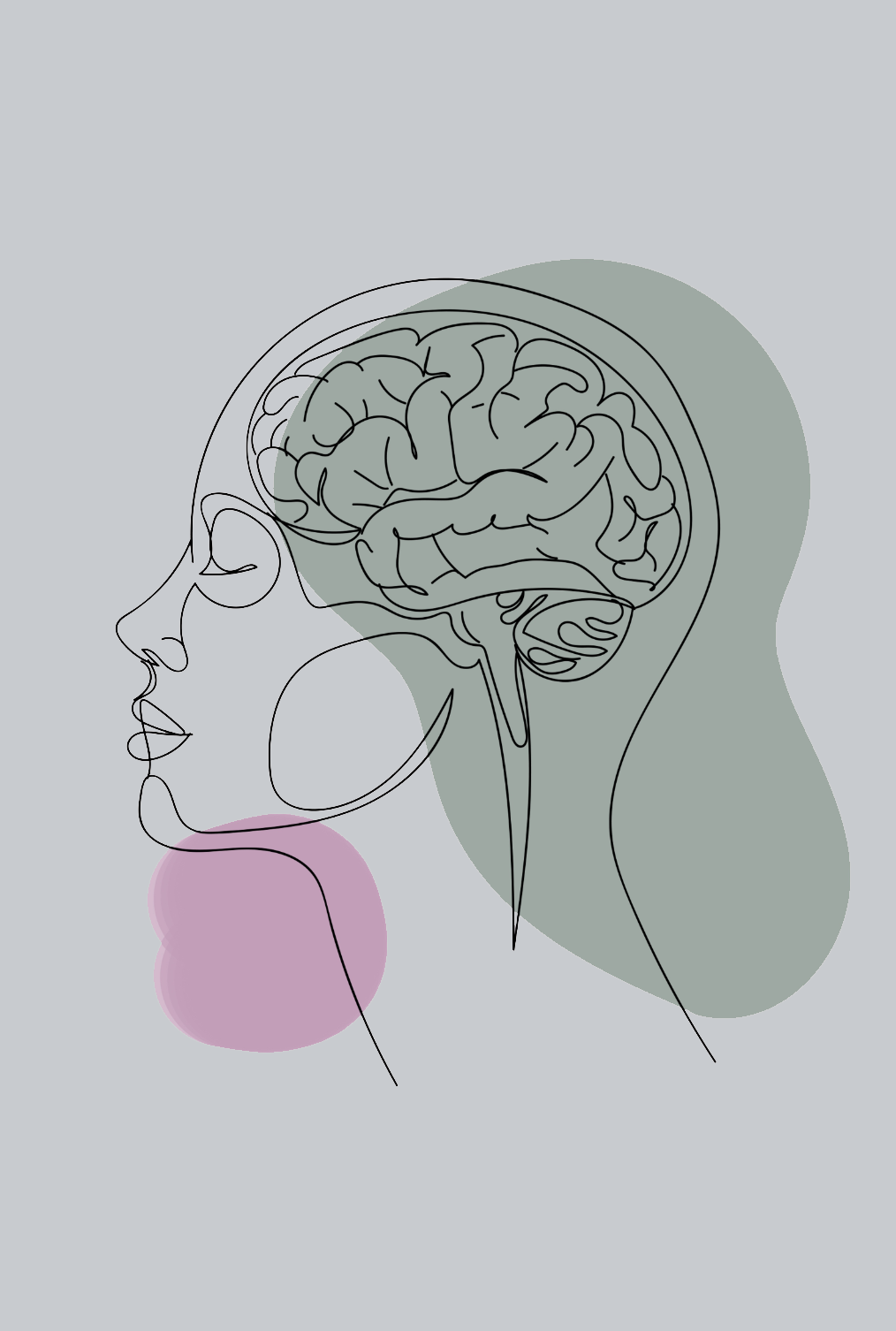
Why Neurofeedback?
Neuroplasticity: It leverages the brain's ability to create new neural pathways.
Lasting Change: Because the brain is learning a new skill (rather than relying on a chemical medication), the results are often long-term.
Drug-Free: It offers a physiological and more holistic approach to mental wellness without the side effects of medication.
Assessing Before Neurofeedback
Neurofeedback is not a modality that we will just casually and quickly jump into. We use assessments in order to determine individualized protocols we use with you.
In addition to an intake form done in the office, we will ask you to do a midline assessment or a qEEG. These two options will give us a better sense of how your brain is functioning from an electical/brainwave perspective.

MIDLINE ASSESSMENT: A Quick Snapshot
The "Midline" of the brain is the ‘center line’ of the brain that separates the left from the right hemisphere. It is responsible for some of our most human functions: emotional regulation, focus, and self-awareness. When this midline is functioning efficiently, we feel flexible and resilient. When it is out of balance, we often feel "stuck."
What the Midline Assessment Tells Us
This assessment can help us answer questions like:
Why am I getting so stuck in my thoughts?
Why do I feel tired but unable to relax?
Why might it be hard for my brain to focus on tasks?
Once we identify where the communication is lagging or overactive, we can use neurofeedback to help your brain find its natural rhythm.
The qEEG: A Map of Your Brain’s Landscape
If traditional talk therapy is about the stories we tell, a qEEG is about the system that tells them.

Why do a qEEG instead of the Midline?
How It Works
The process is entirely non-invasive and passive. We place a comfortable cap with sensors on your head that simply "listen" to the electrical impulses your brain is already producing. We take a 20-minute reading with eyes open and eyes closed.
Nothing is put into your brain.
We aren’t reading your thoughts
We are simply recording the "rhythm" of your brainwaves
Following the data collection phase, the data will be analyzed. We then take that data and compare it to a database of "asymptomatic" brains (people who aren't experiencing the struggles you are). This allows us to see exactly where your brain might be working too hard or not hard enough.
Why We Use It
The qEEG takes the guesswork out of your mental wellness. The map shows us exactly where the "stuck" patterns are, making neurofeedback protocols more efficient to identify and makes the neurofeedback training more effective.
It provides an "Aha!" moment for many clients:
You might see why your anxiety feels so physical (over-activity in the sensory areas).
You might see why focus feels impossible (an abundance of "slow" waves in the frontal lobe).
You might see why sleep is a struggle (your brain can’t quite find the "off" switch).

From Map to Movement
The qEEG is the blueprint we use to build your custom Neurofeedback plan. It ensures that every session we do is targeted specifically to your unique brain architecture.
It’s the first step in moving from "I’m frustrated with myself" to "I understand my brain, and now I know how to help it"
To understand why this matters, I’ll share a piece of my own story:

Frequently Asked Questions
-
You should notice changes in a short period of time but as with all learning; in order to have a more permanent brain change, we would be looking at approximately 20-30 sessions
-
Anxiety
Depression
Insomnia and Sleep Issues
Obsessive Compulsive Symptoms & Rumination
ADHD
Headaches & Migraines
Trauma
Peak Performance
-
No. The type of neurofeedback I practice uses electrodes to read brain signals but there is no electric stimulation to the brain
-
No. We are trying to get your brain to act more efficiently and to be able to regulate better
-
Yes under a Clinical Counselling Session
-
We will place sensors on your brain depending on the protocol used. You will watch a video game that is programmed to reward or inhibit certain brain activity. Training will vary from client to client but will last anywhere from a few minutes to 30 minutes.
-
Because we are "exercising" the brain, it is normal to experience some temporary adjustments as your brain learns to regulate itself.
Think of it like going to the gym for the first time in years; you might feel some muscle soreness, but that soreness is actually a sign of progress.
Common "Training Effects"
These are typically mild and usually fade within 24–48 hours as your brain integrates the session:
Fatigue or
"Brain Fog"
This is the most common report. Your brain uses a lot of energy during a session, and you may feel like you need a nap afterward.
Temporary
Headache
Because your brain is working harder due to increased blood flow to certain areas of the brain, some clients can feel a headache or slight head tension
Irritability or
Emotional Shifts
You may feel a temporary uptick in emotions or a bit of "crankiness" before things settle into a new, calmer baseline.
Changes in
Sleep Vividness
Some clients report very vivid dreams or a change in sleep patterns for a night or two after a particularly deep session.
How We Manage These Shifts
The beauty of neurofeedback is that it is entirely customizable. We can adjust any protocols to move at a pace that feels comfortable for you.
Costs
Midline Assessment $145 (One Hour Session)
qEEG $800
qEEG with Report $950


be your own CATALYST FOR CHANGE
SHOW UP FOR YOURSELF